Radiator and radiator hose replacement at your home in Kansas City, Kansas
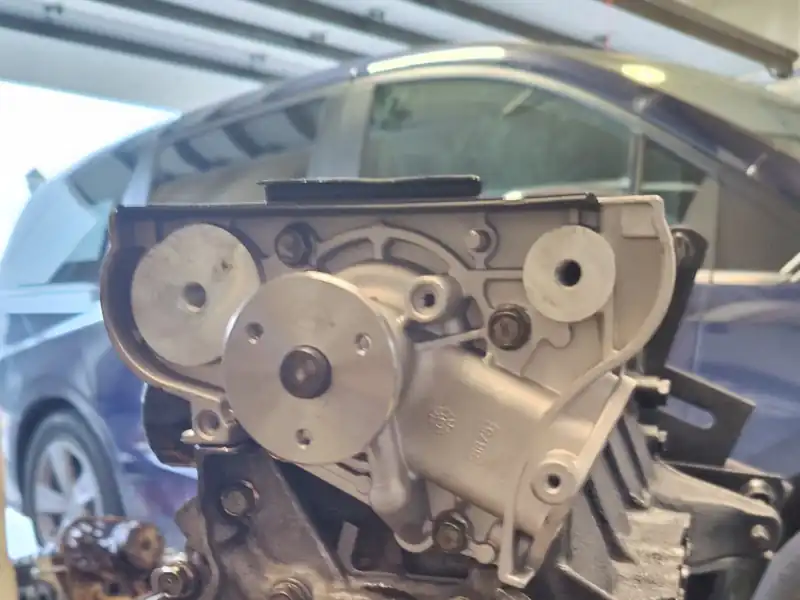
Radiators and radiator hoses are driveway jobs for Josh Anderson of Engine Doctor in Kansas City, Kansas. He tracks down what is behind the coolant leak, the sweet smell or the climbing temperature gauge, gives you a clear quote, and then swaps the cracked radiator or soft hose at your home. Call or text (913) 256-5056.
- Who
- Josh Anderson, owner
- What
- Radiators and radiator hoses
- Where
- At your home, Kansas City, KS
- Call or text
- (913) 256-5056
Running hot right now
If the temperature gauge is climbing or you see steam, pull over where it is safe and shut the engine off. An engine driven hot can warp the head and blow a head gasket, and that turns a radiator job into an engine job.
Never open the radiator cap or the coolant tank cap while the engine is hot. The system is under pressure, and the coolant can spray out and burn you badly. Let it cool all the way down. Then get the car home, and Josh can come to it there.
What the radiator and hoses do
Coolant moves through the engine and picks up heat. The upper radiator hose carries that hot coolant to the radiator at the front of the car. Air flowing through the thin fins of the radiator pulls the heat out, and the lower hose carries the cooled coolant back to the engine. Once the engine warms up and the thermostat opens, it keeps going around the whole time the engine runs.
Many radiators are a metal core with plastic tanks on each side. With years of heat the plastic gets brittle and can crack, often at the seams. The hoses are rubber, and they break down from the inside out.
Signs of a leaking radiator or a bad hose
Coolant leaks and tired hoses show up in a few ways. Coolant tastes sweet and is poisonous to dogs and cats, so wipe up any puddle where pets can get to it.
- A puddle under the front of the car. Coolant can be green, orange, pink or blue depending on the type.
- A sweet smell after driving, a little like warm syrup
- A temperature gauge that sits higher than it used to or climbs in traffic
- Steam from under the hood
- A coolant tank that keeps going low
- Crusty white or colored residue on the radiator or around the hose ends
- A hose that feels soft, swollen, cracked or crunchy when you squeeze it with the engine cold
- A heater that blows cold air, which can mean the coolant is low
Kansas City weather is hard on cooling systems
A July afternoon stuck on I-70 or I-435 is about as hard as a cooling system gets worked. The engine is hot, the air coming through the radiator is hot, and there is little airflow at a crawl. A radiator that was getting by in the spring can start leaking or running hot in the middle of summer.
Winter is hard on the hoses. Rubber stiffens in the cold, and a hose that was already soft or cracked can split on a cold morning. Fall is a good time to have the hoses looked at.
How Josh handles it
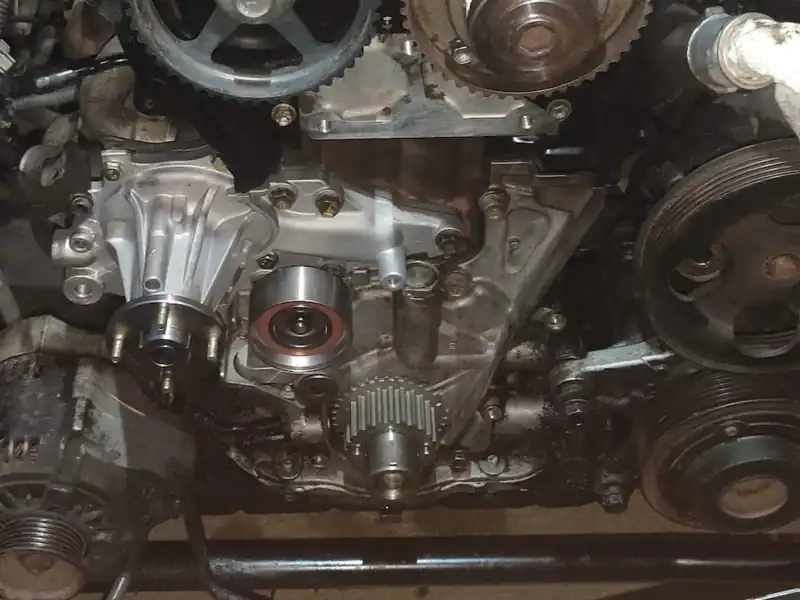
Josh finds where the coolant is actually coming out before he quotes anything. A wet spot near the radiator can be the radiator, a hose, or a clamp that has let go. Once he knows, you get a clear quote for the part that failed.
If the hoses are old and the radiator is getting replaced, it often makes sense to do the hoses at the same time, since the coolant is already drained. Josh will tell you what he sees so you can decide. And if the old coolant looks brown or rusty, a coolant flush may be worth adding, and the coolant flush page explains that part. To get started, text Josh where the coolant is showing up and what the gauge has been doing.
Questions people ask
How do I know if my radiator is leaking?
Look for coolant under the front of the car, crusty residue on the radiator, a sweet smell after driving or a coolant level that keeps dropping. A hose or clamp can leak in the same spot, so it needs checking.
Is it safe to drive with a radiator leak?
Not far. If the coolant runs low the engine can overheat and get damaged, so watch the temperature gauge and pull over if it climbs.
Why should I never open a hot radiator cap?
The cooling system is under pressure when hot. Opening the cap can spray scalding coolant on you, so let the engine cool all the way first.
Should I replace radiator hoses with the radiator?
If the hoses are old, soft or cracked, it often makes sense because the coolant is already drained. Josh will show you what he sees and let you decide.
Who replaces radiators at home in Kansas City, KS?
Engine Doctor Mobile Vehicle Repair. Josh Anderson is based in Kansas City, Kansas and replaces radiators and hoses in your driveway. Text a photo of the wet spot to (913) 256-5056 for a clear quote.
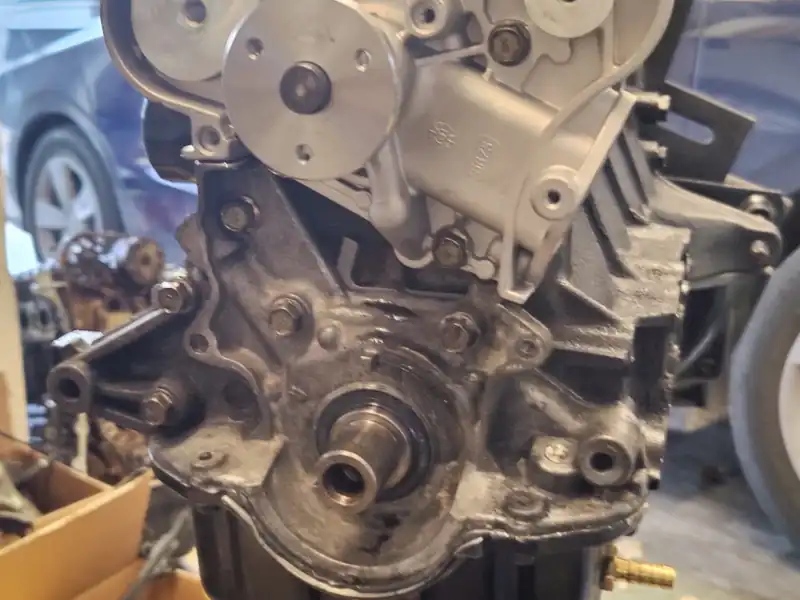
You get a clear quote before Josh starts, and the work happens at your house, on your time.
Josh Anderson, ownerBased in Kansas City, Kansas · Every day of the week, 6 a.m. to 10 p.m. Call or text and Josh gets back to you.