Car won't start: how to tell the battery from the starter or the alternator
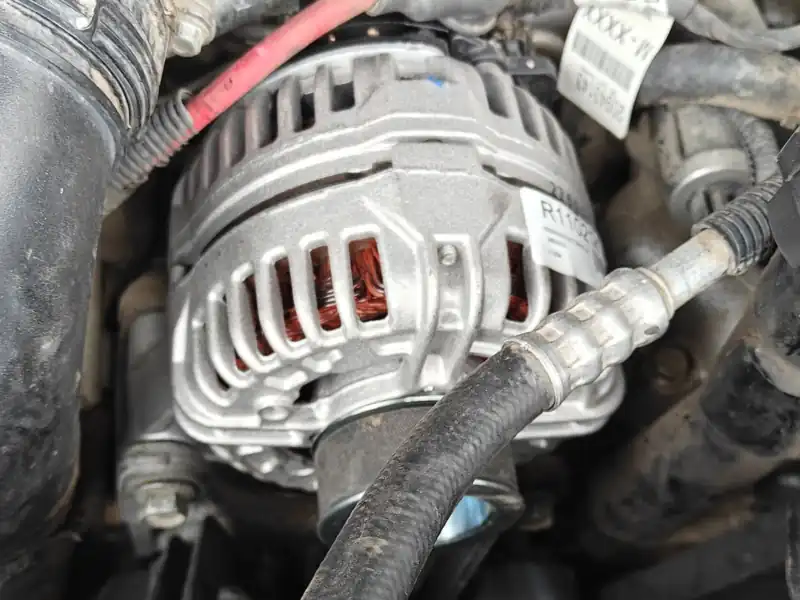
When a car won't start, the battery, the starter or the alternator is usually behind it. Fast clicking with dim lights, or a car that starts on a jump, points to the battery. One click with bright lights is more often the starter. Dying while you drive, or a battery light on the dash, usually means the alternator. Josh Anderson of Engine Doctor replaces starters and alternators at your home in Kansas City, Kansas. Call or text (913) 256-5056.
- Battery
- Stores the power to crank the engine
- Starter
- The motor that spins the engine over
- Alternator
- Makes power once the engine runs
- Call or text
- (913) 256-5056
Three parts, three jobs
Getting a car started takes three things working together. The battery holds a stored charge. The starter is a small, strong electric motor that uses that charge to spin the engine over until it fires. And once the engine is running, the alternator, turned by the serpentine belt, makes the power for the lights, the fan and the computers, and puts back what the starter took out of the battery.
When any one of them fails, the car either won't start or won't stay running. The trick is that all three can leave you sitting in the same driveway with the same dead feeling, so the clues are in the details: what you hear, what the dash lights do, and when it quit.
Start with the battery, because it is often the answer
A plain dead or worn out battery is the most common reason a car won't start, and it is the simplest one to sort out. Kansas City is hard on batteries at both ends of the year. Summer heat wears them down inside, and the first cold morning in the fall is often when a tired one finally gives up.
If it is the battery, a jump start or a new battery from a parts store may be all the car needs, and plenty of people put one in themselves. Many parts stores will also test a battery for you. Batteries aren't on Josh's list, so it is worth ruling the battery out before you call anyone about a starter or alternator. These are the usual battery signs.
- Fast clicking or chattering when you turn the key
- Dash lights that dim, flicker or die when you try to crank
- Slow, lazy cranking, worst on cold mornings
- The car starts right up on a jump and runs fine
- White or green crust on the battery posts, or a swollen case
Clues that point at the starter
A starter usually fails with the battery still strong, so the dash lights stay bright while the engine does nothing.
- One solid click, then nothing, with bright dash lights
- A whir or spin with no crank, like the motor is turning but not catching the engine
- A harsh grinding when you turn the key
- It starts some days and not others, with no pattern you can find
- A jump doesn't help, because the battery was never the problem
- Smoke or a hot electrical smell from under the car after trying to start
Clues that point at the alternator
The battery light on the dash is easy to misread. It doesn't mean the battery is bad. It means the charging system isn't keeping up, and the car is living off whatever the battery has left. Turn off what you can, like the radio, heated seats and the blower, and head home or somewhere safe to stop.
- The battery light comes on while you drive
- Headlights and dash lights dim at idle and brighten when you rev the engine
- Power windows, the radio or the blower get weak or act strange
- A whine or growl from the front of the engine that rises with engine speed
- The car dies while you are driving and won't restart
- A new battery that goes flat again within days
What a jump start tells you
A jump is a rough test, but it gives you a good clue. If the car starts on a jump, runs fine all day, and then won't start the next morning, the battery is the first suspect. Either it isn't holding a charge or something on the car is drawing power while it sits.
If the car starts on a jump and dies soon after the cables come off, or quits a few miles down the road, the alternator moves up the list. The engine was only running on what the jump put in. And if a jump changes nothing at all, and you still get one click or no crank, look at the starter.
Hook up jumper cables in the order your owner's manual shows. Many manuals say to make the last connection on bare metal away from the battery instead of on the dead battery's negative post. And skip the old trick of pulling a battery cable with the engine running to test the alternator. On a modern car it can send voltage spikes that damage the computers.
Problems that fool people
A few things look exactly like a bad battery, starter or alternator and turn out to be something smaller.
- Corroded or loose battery cables. Every part can be fine and the power just can't get through.
- Something that stays on. A trunk light, a glove box light or an add-on accessory can drain a good battery overnight.
- A worn or slipping serpentine belt, or a weak tensioner. The alternator is fine, but the belt isn't turning it the way it should. You may hear a squeal on cold starts.
- The car is in drive, or the shifter isn't fully in park. Many cars won't crank unless the shifter is in park or neutral.
Checking before buying parts
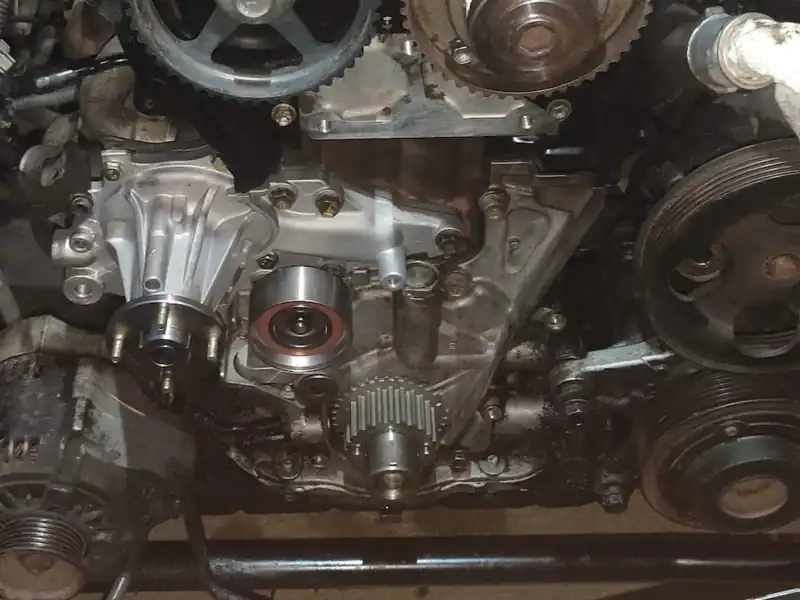
Starters and alternators aren't small purchases, and buying the wrong one first is the classic mistake. A battery needs to be charged and tested under load before anyone blames the starter. Then the charging system gets checked with the engine running. On a lot of newer cars the computer decides how hard the alternator charges, so the readings have to be taken with that in mind.
Josh figures out whether it is the starter, the alternator or the belt that drives it, then gives you a clear quote before he replaces anything. The car can stay right where it is in your driveway. Call or text (913) 256-5056 and tell him what you heard, what the lights did and when it quit.
Questions people ask
How do I know if it is my starter or my battery?
If the dash lights stay bright and you get one click or nothing, the starter is the likely suspect. If the lights dim, you hear fast clicking, or a jump gets it going, look at the battery first.
Can a bad alternator drain a new battery?
Yes. If the alternator isn't charging, the car runs off the battery until it is flat, new or not. A new battery that dies again soon points at the charging system.
Does the battery light mean I need a new battery?
Not usually. It means the charging system isn't keeping up, which is often the alternator, its belt or the wiring. Have it checked before buying anything.
Why does my car start with a jump but not the next morning?
The battery may not be holding a charge, or something on the car is drawing power while it sits. Have the battery tested first, and look for anything left on.
Does Engine Doctor replace starters and alternators at my house?
Yes. Josh Anderson is based in Kansas City, Kansas, and does starters and alternators at your home, with a clear quote first. He doesn't do batteries, so rule the battery out first.
You get a clear quote before Josh starts, and the work happens at your house, on your time.
Josh Anderson, ownerBased in Kansas City, Kansas · Every day of the week, 6 a.m. to 10 p.m. Call or text and Josh gets back to you.