Kansas City winters and your car: what the cold does and what to check in the fall
Kansas City winters are hard on batteries, starters, belts, hoses, coolant and brakes. Cold slows the battery and thickens oil, rubber stiffens and cracks, and road salt rusts brake parts. Check them in the fall before the first hard freeze. Josh Anderson of Engine Doctor in Kansas City, Kansas, can handle most of that at your home, from oil changes and coolant flushes to belts, hoses, starters, alternators and brakes. Call or text (913) 256-5056.
- Hit hardest
- Starting, belts, hoses, brakes
- When to check
- Fall, before the first hard freeze
- Road salt
- Rinse the underside when it thaws
- Call or text
- (913) 256-5056
What a cold snap does to a car
Kansas City winters swing. A mild week turns into a run of bitter mornings, freezing rain glazes the roads, and then it thaws and does it all again. Cars feel every one of those swings, and most of the trouble shows up on the first truly cold morning, when a part that was already weak finally quits.
Most of it is predictable. Cold makes the engine harder to turn over and the battery weaker at the same moment. It stiffens rubber. And the salt and brine on I-70, I-435 and the side streets go to work on anything steel under the car.
Slow cranking: battery, starter or alternator
A battery makes power through a chemical reaction, and cold slows that reaction down. So on a cold morning the battery has less to give, right when the engine needs more to crank. A battery that seemed fine in October can leave you clicking in January. Summer heat often did the damage first, and winter is when it shows.
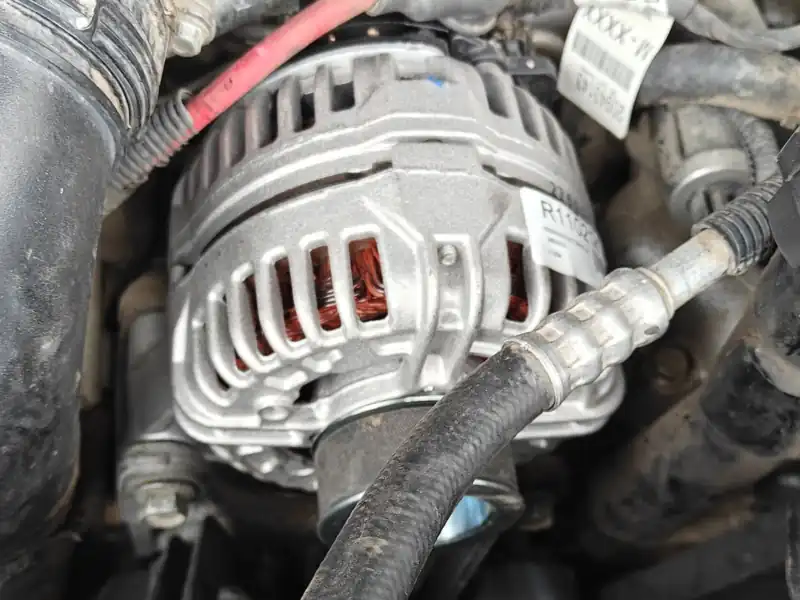
But a slow crank isn't always the battery. A starter that is wearing out draws more current and turns slower, and the cold makes that worse. And if the battery keeps going flat after a good charge, the alternator may not be charging it on the drive. A parts store can test a battery. If the battery tests good and the car still cranks slow, clicks or dies, that is when a starter or alternator check makes sense, and those are two jobs Josh does at your house.
Clean, tight battery terminals matter more in the cold too. A little corrosion that a warm battery could push past can be the difference on a cold start.
Oil moves slower in the cold
Cold oil is thicker. It takes more effort for the starter to turn the engine, and longer for the oil to reach every part at startup. That is why oil grades carry a winter number, the one with the W after it. A lower winter number means the oil flows better cold.
Use the grade your owner's manual lists. Some manuals show a different grade for cold climates, so read that page. And if your oil change is due anywhere near winter, getting it done before the cold sets in means the engine starts the season on fresh oil. It is a good time to look at the engine air filter as well.
Belts, pulleys and hoses in the cold
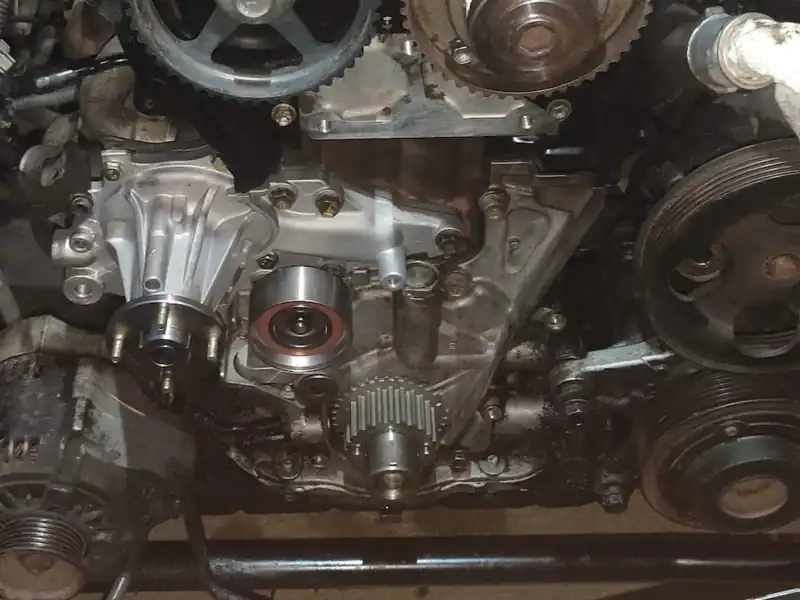
Rubber stiffens as it gets cold. A serpentine belt that is already cracked or glazed may squeal on a cold start until it warms up, and an old belt can snap. On many cars one belt runs the alternator, the power steering and the cooling system, so a broken belt can stop the car where it is. A worn tensioner or a pulley with a dry bearing often gets louder in the cold too, a chirp or a growl that fades as things warm up.
Radiator hoses take the same beating. A hose that is soft and swollen, or hard and cracking near the clamps, can split when the engine heats up and the pressure rises. In the fall, with the engine cold, look and squeeze. Firm and smooth is good. Mushy, cracked or crunchy isn't.
Coolant keeps the engine from freezing
Coolant is a mix of antifreeze and water, and the mix matters. The right mix keeps it from freezing in the engine in winter and raises its boiling point in summer. It also fights corrosion inside the engine and radiator. If the system got topped off with plain water over the summer, the mix may be too weak to protect it.
Water expands when it freezes. Frozen coolant can crack a radiator or crack the engine itself, which is about the worst way to end up talking about engine replacement. A coolant tester shows how much protection you have. If the coolant looks brown or rusty, or the manual says it is due, a coolant flush before winter puts fresh protection in. Use the type your owner's manual calls for, because they aren't all the same.
A heater that blows cold air can mean low coolant or a thermostat stuck open. Both are worth checking before you need the heat.
Salt, brine and your brakes
The salt and brine that keep the roads open eat at the steel underneath. Rotors rust, caliper slide pins seize, and steel brake lines corrode from the outside in. A caliper that sticks can drag a pad against the rotor, wear it out early and pull the car to one side.
When the weather breaks for a day, rinse the underside and the wheels. And if the brakes picked up a new noise over the winter, get them looked at soon instead of waiting for spring. Spring is also pothole season, so a car that comes out of winter with a new clunk deserves a look.
A fall checklist
Run through this in October or November, before the first hard freeze. You can do most of it yourself in the driveway, and if something looks off, text Josh what you found.
- Battery: get it tested at a parts store, and clean any corrosion off the terminals
- Starting: notice if the crank is getting slower or the dash lights dim when you turn the key
- Oil and engine air filter: change them if they are due, using the oil grade in your owner's manual
- Serpentine belt: look for cracks, fraying or a glazed shine, and listen for chirps on cold starts
- Radiator hoses: squeeze them cold and look near the clamps
- Coolant: check the level with the engine cold and test the mix
- Brakes: listen for new noises and pay attention to how the pedal feels
- Wipers and washer fluid: replace blades that streak, and switch to a fluid that won't freeze
- Tires: cold air lowers tire pressure, so check them against the sticker in the driver's door jamb
Questions people ask
Why does my car crank slow in the cold?
Cold slows the chemical reaction inside the battery and thickens the oil, so the battery has less to give while the engine needs more. A worn starter makes it worse. Get the battery tested first, then have the starter and alternator checked if it tests good.
Should I change my oil before winter?
If it is due or close to due, yes. Use the grade in your owner's manual, which may list a different grade for cold weather.
Can road salt damage my brakes?
Yes. Salt and brine speed up rust on rotors, calipers and brake lines, and they can make caliper slides stick. Rinsing the underside during a thaw helps.
Why does my belt squeal on cold mornings?
Cold rubber is stiff, and a worn or glazed belt slips until it warms up. A weak tensioner can do the same thing. Have the belt, tensioner and pulleys looked at before the belt lets go.
What can Engine Doctor do before winter?
Most of the fall list. Josh does oil changes and engine air filters, coolant flushes, serpentine belts, tensioners and pulleys, radiator hoses, starters and alternators, and brakes, all at your home. Text him the year, make and model and what you want looked at.
You get a clear quote before Josh starts, and the work happens at your house, on your time.
Josh Anderson, ownerBased in Kansas City, Kansas · Every day of the week, 6 a.m. to 10 p.m. Call or text and Josh gets back to you.