
Signs of a blown head gasket, and what to do before it gets worse
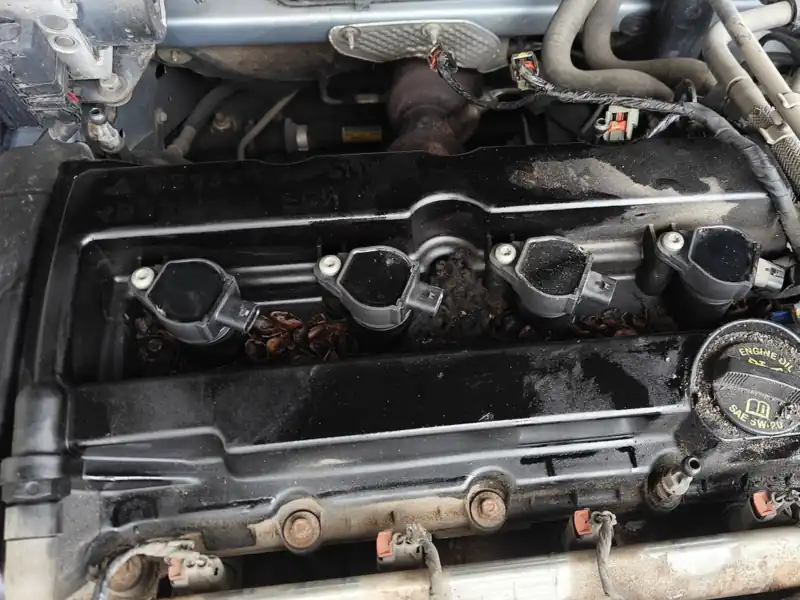
A blown head gasket usually shows up as white exhaust smoke with a sweet smell, milky oil on the dipstick, coolant that disappears with no leak, overheating and bubbles in the coolant. Keep driving on it and the damage spreads. Josh Anderson of Engine Doctor in Kansas City, Kansas, does gasket work and engine diagnostics at your home and quotes it first. Call or text (913) 256-5056.
- What it seals
- Combustion, oil and coolant, between head and block
- Top signs
- Sweet white smoke, milky oil, lost coolant
- Common cause
- Overheating
- Call or text
- (913) 256-5056
What the head gasket actually does
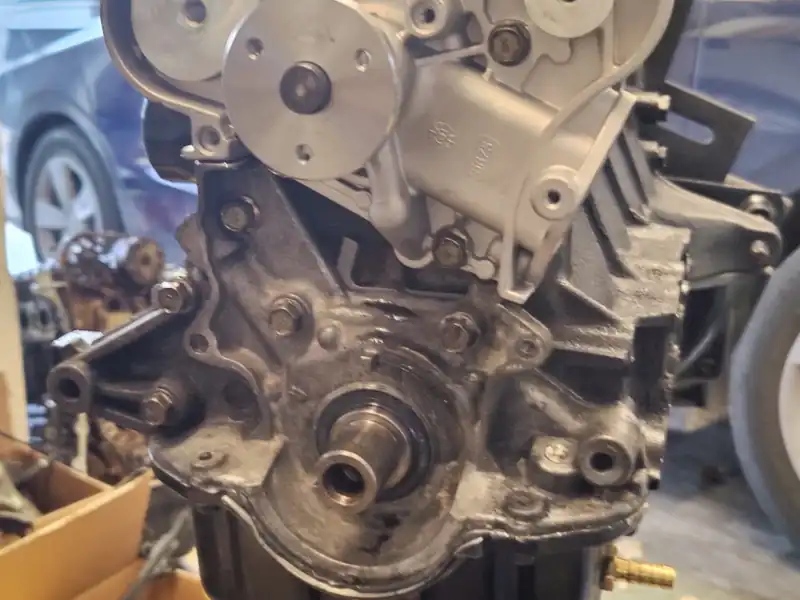
An engine is built in two main pieces. The block holds the pistons, and the cylinder head bolts on top with the valves in it. Between them sits the head gasket. It has three jobs at once: hold the pressure of combustion inside each cylinder, seal the oil passages, and seal the coolant passages. Oil and coolant both pass between the block and the head, close together, with only that thin gasket keeping them apart.
When the gasket fails, one of those seals lets go, and which one decides what you see. Exhaust can get pushed into the coolant. Coolant can leak into a cylinder or into the oil. Or one cylinder can leak into the one next to it.
The signs to watch for
Any one of these alone can have another cause. Two or three together make a head gasket a strong suspect.
- White exhaust smoke that keeps coming after the engine is warm, often with a sweet smell. That is coolant being burned.
- Milky, light brown oil on the dipstick, like chocolate milk. Coolant is mixing with the oil.
- Coolant that keeps going down with no puddle, no drip and no wet hose anywhere.
- Overheating that keeps coming back, even after the coolant gets topped off.
- Bubbles rising in the coolant reservoir with the engine running, or coolant pushed out the overflow.
- A radiator hose that turns rock hard soon after a cold start, before the engine has had time to warm up.
- Rough running or a misfire right after starting, which can mean coolant seeped into a cylinder overnight.
- Oil or coolant weeping from the seam between the head and the block.
False alarms that look like a head gasket
A puff of white vapor from the tailpipe on a cold Kansas City morning is normal. It is water from combustion condensing in a cold exhaust, and it clears once the car warms up. The warning sign is smoke that keeps pouring out after a full warm-up.
Light tan or yellow goo under the oil filler cap is another one people find and worry about. Short trips in cold, damp weather let moisture collect up there and mix with oil vapor. If the oil on the dipstick looks normal, that goo by itself is usually not a head gasket.
And coolant loss can come from a slow external leak that only drips when the engine is hot and under pressure, then dries before you look. A worn radiator hose, a seeping radiator or a leaking gasket somewhere else on the engine can all do that. A pressure test finds those.
How a mechanic confirms it
One symptom isn't enough to call it. A head gasket gets confirmed with tests, and often more than one of these gets used.
- A cooling system pressure test, to see if the system holds pressure and where it leaks if it doesn't.
- A chemical test that samples the air above the coolant and changes color if exhaust gas is in it.
- A compression or leak-down test, to find a cylinder losing pressure into the coolant or into its neighbor.
- A look at the oil, the coolant and the exhaust together, since each one tells part of the story.
What happens if you keep driving it
A head gasket leak rarely fixes itself. It usually gets worse, and the damage spreads into parts that were fine. Coolant in the oil ruins its ability to protect the bearings, and worn bearings mean a much bigger engine problem. Each overheat can warp the head a little more, which makes the leak worse.
Coolant that fills a cylinder can stop the engine hard on startup and bend parts inside, because liquid doesn't compress. Burning coolant also harms the catalytic converter. If you suspect a head gasket, park it and get it checked before the next drive turns a gasket job into an engine replacement.
Fix it or move on
A head gasket repair means taking the top of the engine apart. The head comes off and gets checked for flatness and cracks, and it often goes to a machine shop to be resurfaced. Then it goes back on with a new gasket, and new head bolts where the engine calls for them. On some engines that work can happen at the house. On others it is a job for a shop and a lift, and Josh will tell you which one yours is before you commit to anything.
If the engine was run hot too long and the damage goes past the gasket, an engine replacement can make more sense than a repair. Josh will go over that with you once he has looked at it. These are the things worth weighing.
- What the car is worth to you, and what it would take to replace it with something you trust
- How the rest of the engine was doing before this: oil use, noises, leaks
- How long it was driven hot or with coolant in the oil
- What else is due soon, like brakes or a timing belt
Questions people ask
Can you drive with a blown head gasket?
Not for long, and not without risking the engine. Every drive can overheat it or mix more coolant into the oil, and the repair gets bigger. Park it and get it checked.
Does white smoke always mean a blown head gasket?
No. Thin white vapor on a cold morning that clears once the car warms up is normal condensation. Thick white smoke with a sweet smell after the engine is warm is the warning sign.
What causes a head gasket to blow?
Overheating is the most common cause, often from low coolant, a radiator or hose leak, a stuck thermostat or a fan that quit. An old gasket on a high-mileage engine can also give out.
Is the yellow gunk under my oil cap a head gasket?
Usually not by itself. Short trips in cold weather leave moisture under the cap. Check the dipstick, because milky oil there is the real warning sign.
Does Engine Doctor fix head gaskets?
Gaskets are on Josh's list, and he quotes the job before he starts. Some big engine jobs need a shop and a lift, and he will tell you if yours is one. Call or text (913) 256-5056.
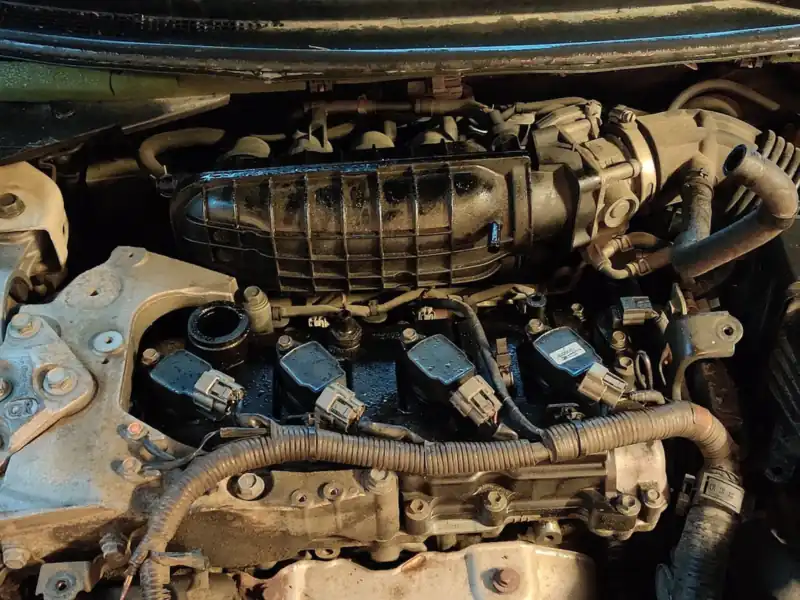
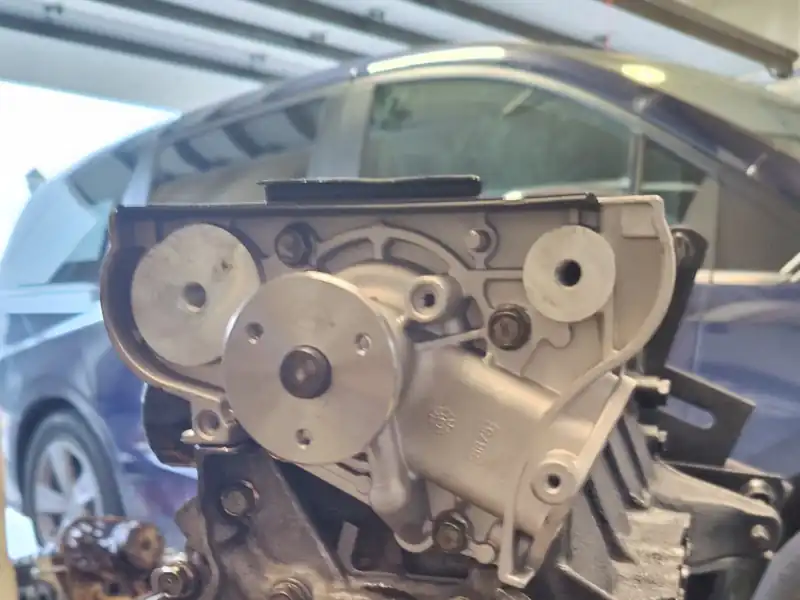
You get a clear quote before Josh starts, and the work happens at your house, on your time.
Josh Anderson, ownerBased in Kansas City, Kansas · Every day of the week, 6 a.m. to 10 p.m. Call or text and Josh gets back to you.